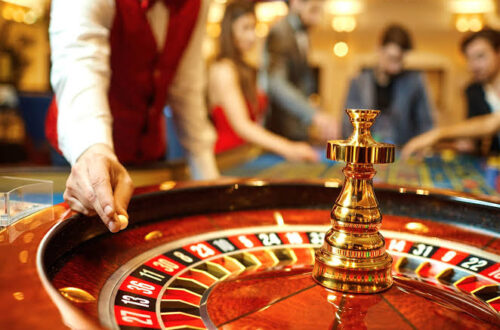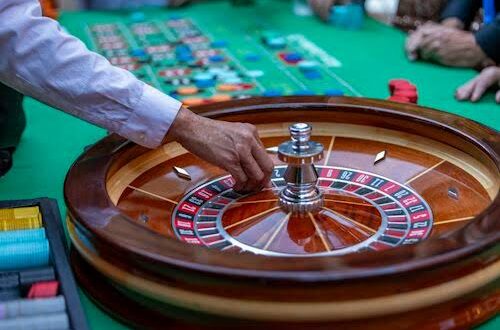
A live dealer casino combines two worlds that might seem difficult to connect. On one side, a real dealer handles physical cards at a table. On the other, players watch through a digital screen and place bets using an online interface. For the experience to work smoothly, the casino platform needs to understand what happens at the physical table and communicate it to players in digital form.
One technology that helps connect these worlds is optical character recognition, commonly known as OCR. In live casino systems, OCR can help identify information visible in camera images, including card values and other printed or displayed details. When combined with cameras, game sensors, and software, it helps transform a real-world game into a digital experience.
What Is OCR in a Live Dealer Casino?
OCR is a technology that recognizes text or characters within an image and converts them into machine-readable information. It is used in many everyday applications, from scanning printed documents to reading information from forms.
In a live dealer environment, OCR may help software interpret card ranks or other visible information captured by cameras. For example, when a dealer reveals a card, the system may analyze the image and identify whether it shows a king, a seven, or another card value.
The exact setup depends on the game provider. OCR is not necessarily the only technology involved. Some systems use specialized cameras, card-reading equipment, table sensors, or dedicated recognition software to confirm game events.
The goal is straightforward: help the platform understand the physical game quickly and accurately.
How Physical Cards Become Digital Data
The process involves several connected stages. Each stage must work correctly before the result can be displayed and used by the online game interface.
1. Capturing the Live Table
High-quality cameras record the dealer, cards, and playing area. Camera placement matters because hands, chips, reflections, and card movements can sometimes hide important details.
The system needs a clear view of the relevant action without disrupting the dealer or making the table uncomfortable for players.
2. Recognizing Card Values
When a card appears, recognition software analyzes the captured image. Depending on the system, it may look for familiar card symbols, printed ranks, suit shapes, or other identifying features.
Image quality is important. Poor lighting, motion blur, unusual angles, or an obstructed card can make recognition more difficult. A reliable system therefore needs to handle more than ideal studio conditions.
3. Converting Recognition Into Game Data
Once the card or event has been identified, the software can convert it into structured information. Instead of simply seeing an image of a queen, the platform can record a card value that the game logic understands.
This data can then be used to update the game state, display the result, and help calculate outcomes according to the game’s rules.
4. Updating the Player’s Screen
The casino interface presents the recognized information alongside the live video. Players may see cards appear on a digital table, their current hand update, or the result of a round appear after the dealer finishes.
The video and digital interface need to stay synchronized. If the image shows one event while the interface displays another, players may become confused or lose confidence in the experience.
Why OCR Matters for Live Casino Games
OCR can help automate tasks that would otherwise require someone to enter game information manually. That can make the overall experience faster and reduce opportunities for certain types of human error.
Several benefits stand out.
- Faster updates: Recognized card values can be passed to game software without relying entirely on manual data entry.
- More consistent records: Structured game data can help the platform maintain a record of events and outcomes.
- Better interface integration: Physical cards can be represented on a digital table while the live video continues.
- Operational support: Recognition systems can help staff and software monitor game events, depending on the provider’s setup.
These advantages depend on implementation quality. OCR can make mistakes, so operators need suitable validation procedures rather than treating every machine-generated reading as automatically correct.
OCR Is Only One Part of the Technology
It is easy to assume that OCR handles the entire process, but a modern live dealer system is more complex.
Key technologies working together
Live video
Streams the physical table so players can watch the dealer and game action.
OCR and image recognition
Help interpret visible card values and other information in captured images.
Game logic and data systems
Process recognized events, apply game rules, and maintain round information.
Player interface
Displays the live stream, cards, betting controls, and round results.
Network connections, security controls, and monitoring tools also play important roles. If a card is misread or a connection drops, the system may need to flag the issue, verify the event, or pause the affected process.
Accuracy, Latency, and Fair Play
Accuracy is especially important because recognized information can influence how a round is recorded or settled. A misidentified card could lead to an incorrect game state if the system does not detect the mistake.
For this reason, live casino operators and technology providers need ways to verify game events. Depending on the platform, this may involve cross-checking data, using dedicated card-reading hardware, reviewing video, or requiring manual intervention when the system detects uncertainty.
Latency is another concern. Players expect the video, card information, and betting interface to remain aligned. Streaming delays are not always the same as recognition delays, so developers must manage both the video pipeline and the flow of game data.
OCR itself does not guarantee fairness. Trust depends on the wider system, including the physical procedures, software controls, accurate recordkeeping, security, and any independent testing or regulatory oversight that applies.
What Could Come Next?
As computer vision improves, live dealer technology may become better at recognizing objects, tracking game events, and detecting unusual situations. Providers may also improve how they synchronize physical action with digital interfaces.
These developments could support more detailed game histories, smoother animations, and faster updates across different devices. However, the aim should remain accuracy and transparency, not adding complexity simply because the technology makes it possible.
Conclusion
OCR helps bridge the gap between physical cards and digital casino screens by turning visual information into data that software can process. When combined with cameras, game logic, and reliable streaming, it supports the real-time experience that makes live dealer games possible.
Still, OCR is one part of a larger technical system. Good performance depends on accurate recognition, careful verification, low-latency communication, and clear procedures for handling errors.
FAQs
1. What does OCR stand for in live dealer casinos?
OCR stands for optical character recognition. It is a technology that converts text or recognizable characters in images into machine-readable data.
2. Can OCR recognize playing cards?
OCR and related image-recognition techniques can help identify card ranks and other visible details. The exact approach depends on the provider and may include specialized card-reading hardware.
3. Does OCR determine whether a casino game is fair?
No. OCR helps interpret visual information. Fairness also depends on game procedures, software controls, accurate records, security, and applicable independent testing or regulation.
4. Why does synchronization matter in live dealer games?
The digital interface must reflect the physical game correctly. If the video and game data fall out of sync, players may see confusing or inconsistent information.
5. Is OCR used in every live casino game?
Not necessarily. Different providers use different combinations of cameras, sensors, card readers, and recognition software.